Experience

Twenty-five years of building, fixing and handing over.

I've worked in two modes, often at the same time. As an employee, my employer had my full focus. Alongside that — transparently, often in partnership with the companies' own leadership, or in the pauses between roles — I built ventures of my own.

Both are on this page, and kept apart. The formal record lives in the resume.

Part one · In employment

Where I worked, I worked.

The situations I was hired into — and what I did with them.

2011–2017 · SCS Group (South China Service Group) · Developer → operations engineer
Building across borders

Offices and networks in six cities, three countries.

I joined a logistics company in Guangzhou as a developer and grew into running its operations engineering, with a team of five. We opened and equipped offices in Guangzhou, Shenzhen, Shanghai, Hong Kong, Moscow and Vladivostok, and connected them into one corporate computer and phone network.

Much of the work was making things fit in an environment with its own rules: integrating VoIP with Chinese internet and telephone providers, procuring hardware locally, keeping a multinational business connected.

6
cities
3
countries
5
people in my team
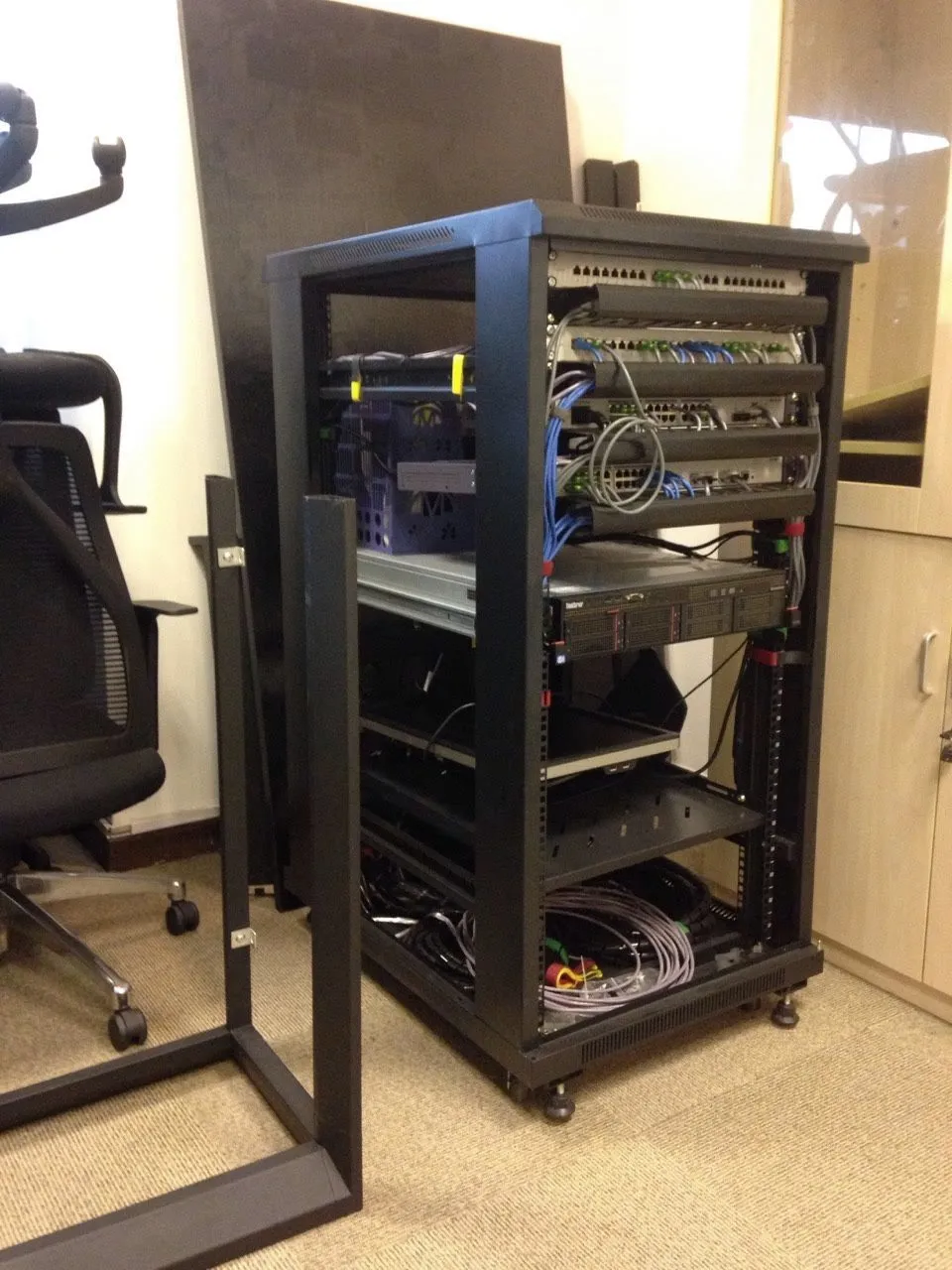
A neatly cabled server rack in an office in China
Office infrastructure in China
2017–2018 · ZenHash, Dongguan · Technical advisor & on-site manager
Hard times

4 MW, hundreds of machines, less than a week.

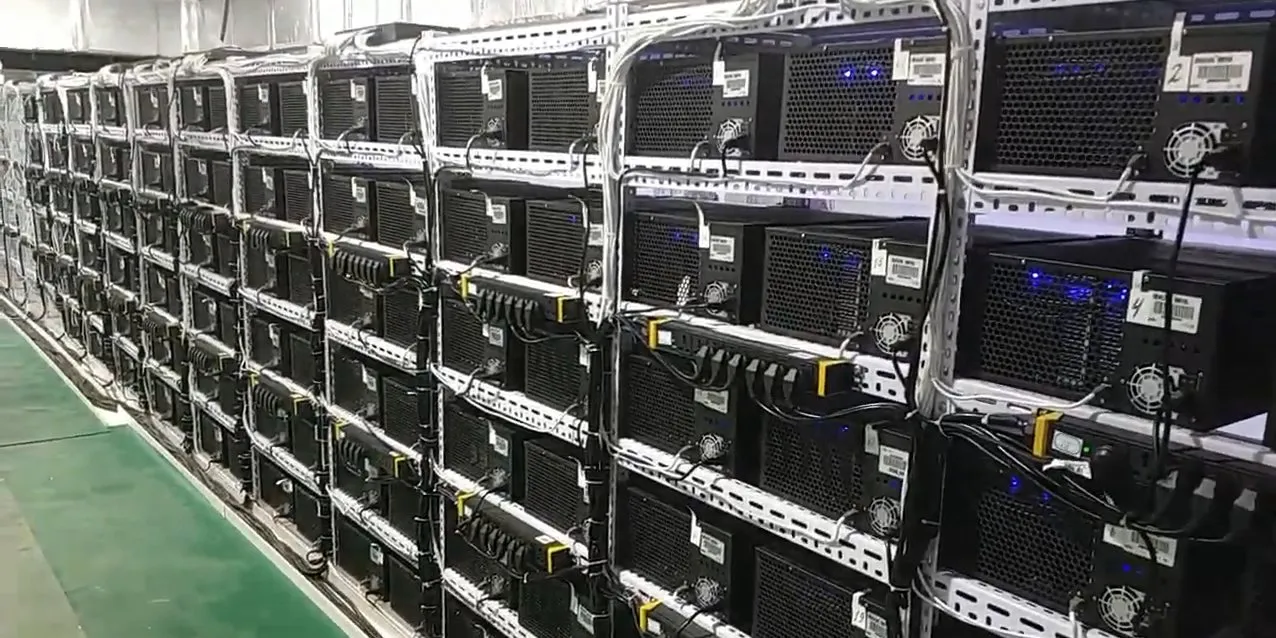
The owners and investors were abroad; I ran the site for them. We built a crypto-mining hosting facility where clients placed their own hardware: four machine halls with active cooling, reliable connectivity and monitoring. I handled the local administration, foreign staff, contractors, equipment acceptance and the builders.

In 2018 mining in mainland China moved into a legal grey zone, and the facility had to come down fast. We had less than a week. For three days and nights we dismantled, packed and shipped the most valuable equipment; the rest followed at a calmer pace.

Every piece of client hardware was saved.

4 MW
power on site
4
machine halls built
72 h
to evacuate the core
Rows of computing hardware on racks in one of the machine halls
One of the four machine halls, Dongguan
2018 · Libertex Group · DevOps engineer
A deliberate step back

After years of startups, I chose to start again from the ground.

Startups, regulatory shocks and sleepless launches had taken their toll. I needed something stable: a place to rest, look around and learn something new. So I joined a fintech company as a rank-and-file DevOps engineer — a big step down, and a deliberate one.

Within a year, when the team lead left, I was asked to lead infrastructure: migrating to AWS, building processes and monitoring for a cloud-native environment, adapting applications to it. Going back to hands-on work has never been a problem for me.

2020–2022 · Libertex Group · Data engineering lead & architect
Transformation

A data platform nobody knew how to fix.

I came to data engineering from SRE — again, a new field. The team had no lead, critical incidents were frequent, delivery was hard, and legacy JVM components on Scala had piled up with no plan.

I renewed the team, made the case to the business for a new stack, and moved us to Go and cloud-native. I designed the platform myself: streaming ingestion and clickstream on Kafka, real-time parallel processing, and a data warehouse on ClickHouse — a choice I defended against the alternatives at the architecture committee. A transformation tool let the business manage its own rules, and new analytics for marketing and data science were built on top.

100K+
events per second
98%
data accuracy, up from ~80%
12 h → 1 h
reporting latency
−80%
infrastructure cost

Critical incidents stopped.

2022–2025 · Libertex Group · Product delivery lead
Transformation

Giving a complex domain its own home.

The trading core — a cognitively heavy domain on its own C++ stack — didn't fit cross-functional feature teams. Its engineers couldn't be loaded with the right work, and trading tasks always lost priority to Java features. Work on the core had effectively stopped.

It was my initiative to make the trading core a separate value stream: several teams living only with its components. I made the case to the business, and we did it. Engineers got clear goals; technical debt and stability work for the trading infrastructure started moving — faster than before, because specialisation finally had room.

~30 → 14
days development cycle
~20
engineers in the stream
2025–now · Libertex Group · Senior engineering manager (director scope)
Growth that breaks things

Leading the engineering function: people first.

I lead engineering — developers, QA and SRE, 100+ people — as a peer to the CTO, who owns technology. My work is mostly with the managers who report to me: helping them grow, especially those for whom management doesn't come naturally.

  • A performance review process, designed and rolled out from scratch
  • A career framework and competency matrices for every engineering discipline
  • Full-cycle hiring through my managers
  • Moving people with rare knowledge to where delivery needs them
  • An internal test-platform team building the automation framework for QA in feature teams
  • Adapting the SDLC and quality gates to AI-assisted work for developers, QA and admins
2025–now · Engineering Intelligence Platform · Architect & developer
Staying hands-on

I kept some of the coding for myself — on purpose.

I needed an objective picture of how the engineering organization works, and so did other stakeholders. So I built it: a modern data stack collecting data from engineering systems, dbt models turning it into data marts, and Apache Superset on top.

It covers team and scrum metrics, part of the DORA metrics for incident work, component stability and more. It also keeps my own engineering sharp.

Go · PostgreSQL · ClickHouse · Airflow · dbt · Superset

Part two · Ventures of my own

What I built on my own time.

Alongside employment — always transparently, often in partnership with the companies' own leadership — or in the pauses between roles, I built companies and products of my own. Some grew, some I handed over, some didn't make it.

2002–2005 · Computer services company · Co-founder
From zero to one

My first outsourcing business.

With partners, we served companies and individuals: building and maintaining computers and office equipment, designing and installing networks. Engineers as a service — long before I'd call it that.

2005–2010 · Primsat (primsat.ru) · Technical partner
From zero to one

Build it, then hand it over.

An online store and service for satellite TV, radio and internet equipment. I built the website, catalogue, payments and customer communication — and went out on installations and support calls myself.

Once the technical side was complete, I handed it over to the business owner and moved on to a company of my own.

2009–2016 · Exalted LLC · Founder & director
From zero to one

A small company that built ahead of the market.

IT consulting and technology: regional partner of 1C-Bitrix and 1C, Microsoft partner; networks, websites and custom software. Up to five people, with some functions outsourced.

  • GPS fleet tracking. I wrote the backend ingesting sensor telemetry from a logistics company's trucks (C++, PostgreSQL); others built routing, analytics and the UI on top.
  • An information system for schools. One of the first universal engines; several city schools went live in the first phase — before school digitalisation became a federal programme.
  • A router people could actually use. Minimal OpenBSD, a web UI, PHP and shell: companies saw their own statistics and managed users, groups and firewall themselves.

After I moved to China in 2011, an appointed manager ran the company on site while I stayed involved in engineering remotely. In 2016 I closed it deliberately: I didn't want to run a business in a market where I wasn't present.

2013–2017 · Sinnodigital · Founder
Building across borders

Taking the risk out of China for clients abroad.

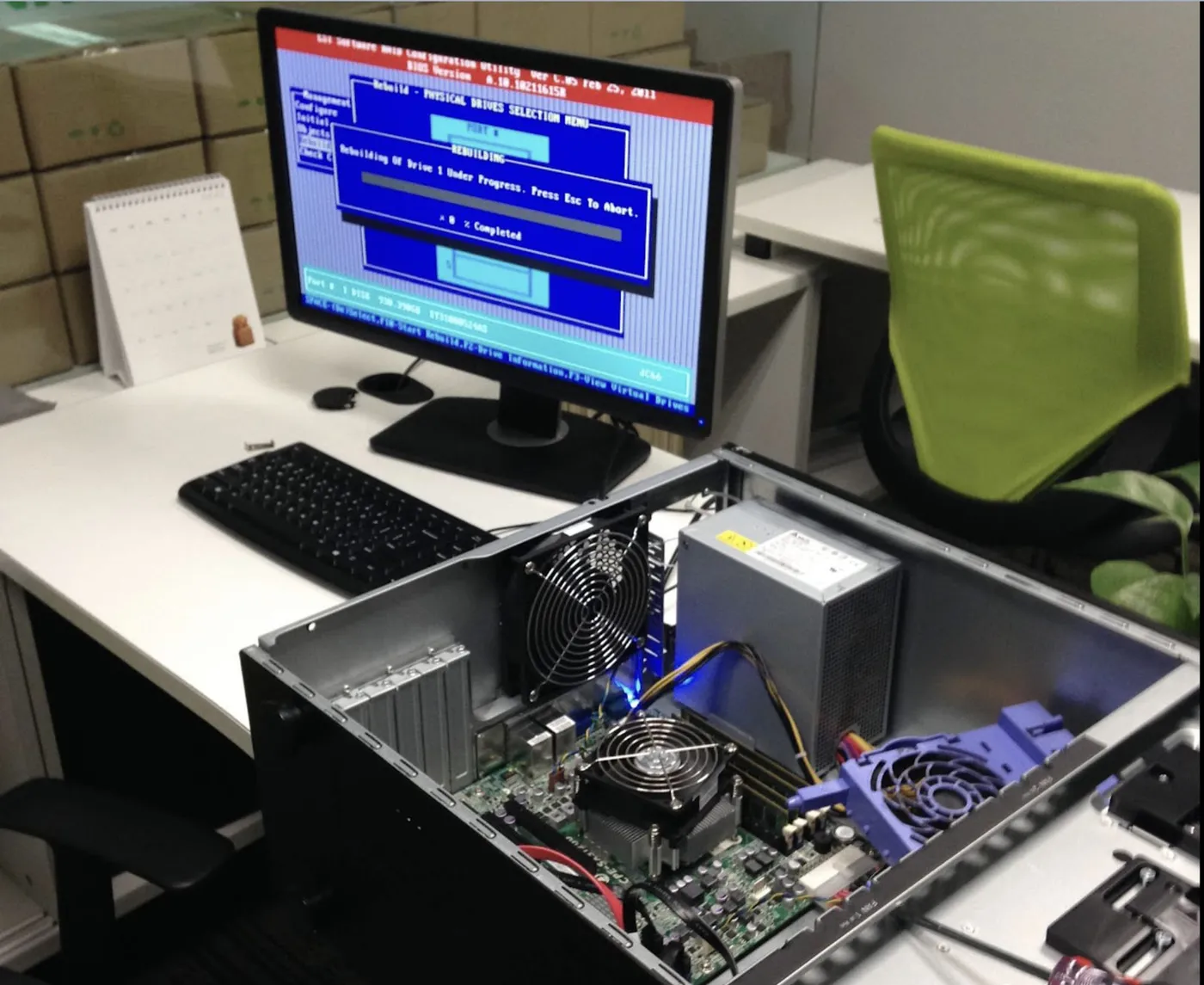
My own brand in China. Sourcing complex hardware — servers, routers, network equipment — at factories and markets, inspecting it on site and shipping it to clients. And consulting for companies in China: network design and installation, international VoIP with providers in several countries, call routing for multinational teams, call centres, server builds.

Clients needed reliable equipment and working communications in a country whose language, market and rules they didn't know. I took that risk off their hands.

A server opened on a desk while a disk array rebuilds
Server builds and repairs, Guangzhou
2014–2016 · WeChat community · Founder
From zero to one → Hard times

50,000 users, self-sustaining — and gone in a day.

As WeChat was turning into a super-app, before mini-programs, I built a community for Russian-speaking users in China and for Chinese people working with Russia: a notice board, news and conversation for a narrow niche. Within a year advertising made it self-sustaining.

Then an employee failed to take down a sensitive post in time. A regulatory complaint followed, and within a day every access was revoked, permanently. I met officials up to provincial level; it couldn't be restored.

The lesson I carry everywhere: comply with the rules of the country and domain you work in before you need to — and make sure your team does too.

50,000+
users
1 year
to self-sustaining
2015 · Job board for foreigners in China · Technical partner & developer
Didn't take off

Built, launched — and never promoted.

With a partner, I built and launched a job site for foreigners and students looking for work in China. We never really promoted it; it faded quietly and was eventually switched off.

What didn't work — honestly

Three lessons I paid for.

A product without distribution doesn't live.

The job board was built well and reached no one. The WeChat community, in the same niche, had distribution built into the platform — and paid for itself.

Compliance is done in advance.

Rules of the country and the domain aren't paperwork. When a team ignores them, the price can be the whole business.

Closing on time is a decision too.

I shut Exalted down rather than keep it half-alive in a market I'd left.

Another turn

Psychology.

In 2026 I qualified as a clinical psychologist at the Moscow Institute of Psychoanalysis.

Not as a new business — as another turn, a personal one: to understand more precisely how the human mind works, to understand people and work with them better, and to do something better for myself. Most technical problems are, in the end, human ones.

Contact

Changing, struggling, or just need a fresh look?

I'm always glad to talk about hard technology and organizational problems. Open to selected projects and partnerships.